All Categories
Featured
Table of Contents
Have you thought how much the available technologies dictate how we live? Calling a buddy on the phone: How much did communication change after the cellular phones replaced the landlines? Understanding the innovation waves is vital for founders and product leaders looking to remain ahead of the curve.
Development cycles are periods of technological and financial change that disrupt existing markets and produce ingenious items. The first wave of innovation started in the late 18th century with the introduction of water power and fabric production.
How Innovation Hubs Impact Enterprise GrowthWater-powered mills transformed the production of paper, fabric, and iron products, leading to substantial economic development. In between 1845 and 1900, the 2nd wave was driven by steam power and the rail industry.
Utilizing Smart Infrastructure for Drive Strategic Innovation
It was marked by the wide adoption of electrical power and the development of chemical industries. The 4th wave spanned the early to mid-20th century.
In the late 20th century, the fifth wave was defined by the rise of computers and digital networks. The web changed details sharing, communication, and commerce, offering birth to the digital age we reside in today. We are presently in the sixth wave of innovation, driven by expert system (AI), the Internet of Things (IoT), robotics, and tidy tech.
Comprehending development cycles is essential to build a flourishing and enduring service in a constantly developing environment. Here's why: By recognizing the phases of development cycles, businesses can prepare for market shifts and adjust accordingly.
Development cycles often bring about brand-new innovations to enhance performance and drive growth. Tidy innovations lower the cost of operations and dependences on limited resources.
The book "Crossing the Gorge" defines the different stages of innovation adoption utilizing numerous psychographic profiles. Utilizing the same model for innovation adoption can also help understand the wave of innovation.
Leveraging Next-Gen Technology Innovation Cycles for 2026
The development adoption curve consists of 5 stages: Innovators are the first to adopt new innovations. These risk-takers are prepared to experiment and purchase unverified options, setting the phase for broader adoption. Early adopters follow carefully behind innovators. They are often influential market leaders who recognize developments' prospective and rapidly incorporate them into their operations.

The early bulk represents a substantial part of the market. These adopters wait till innovations have been shown and evaluated before dedicating.
They might withstand modification due to suspicion or absence of resources, ultimately adopting developments when they end up being inescapable. Adjusting your product and services to each client section will assist you satisfy that consumer's needs and extract the maximum benefit. (source: Wikimedia) To effectively execute innovation in your service, think about the following steps: Conduct thorough marketing research to recognize emerging trends and innovations appropriate to your market.
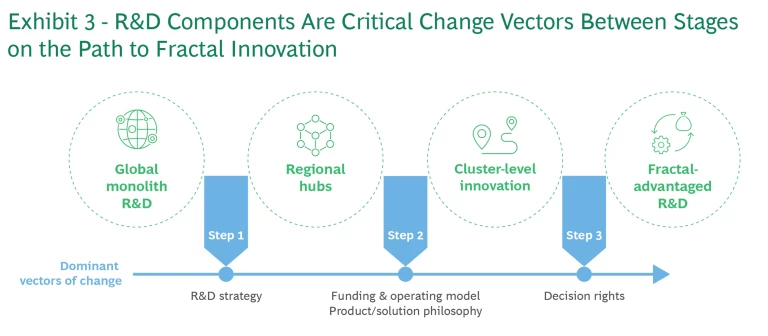
Innovation Hubs Vs. Traditional Corporate Laboratories
The Icanpreneur platform can assist you conduct consumer issue interviews following the finest industry practices. Establish a clear method for incorporating new technologies into your organization. You can accomplish such a culture by: promoting imagination, supporting risk-taking, providing opportunities.
Work together with market experts, research study organizations, and technology companies to stay notified about the most current improvements. Networking will assist you access important insights and resources for successful development.

Latest Posts
Maximizing Strategic Value Through Corporate Innovation Units
Strategic Guide to Tech Transformation
Optimizing Cloud Systems in Corporate R&D